Why forcing a locked car door can make the problem worse
What happens when you force a locked car door?
When you are locked out of your car, the natural reaction is to try and force the door open. You might pull hard on the handle, wedge a tool into the gap, or even try to bend the top of the door frame to reach the unlock button. But this kind of force often does more harm than good. It can damage the door's latch mechanism, bend the sheet metal, or break the window glass, turning a simple lockout into a costly repair. A professional vehicle lockout service uses specialized tools and techniques to open the car without causing damage, which is why calling one is usually the smarter choice.
The mechanics of a car door lock
Modern car doors are not simple mechanical latches. They contain a complex assembly of rods, cables, and electronic actuators that connect the exterior handle, the interior handle, the lock cylinder, and the central locking system. When you pull on a locked door handle, you are putting tension on these components. Forcing the handle or prying the door frame can bend the rods, snap the plastic clips that hold cables in place, or misalign the latch. Once the latch is damaged, the door may not close properly or may rattle when you drive, and fixing it often requires removing the interior door panel and replacing parts. A locksmith who uses non destructive car entry methods avoids all of that by working with the lock mechanism itself, not against it.
Why prying the door frame is risky
Many people try to create a gap between the door and the body of the car by inserting a screwdriver, a coat hanger, or even a wooden wedge. The idea is to reach the interior door handle or the unlock button. But the gap between the door and the body is designed to be tight for aerodynamic and safety reasons. Prying it open with too much force can bend the outer skin of the door, which is often made of thin steel or aluminum. That dent may not be easy to pop back out. Worse, prying can damage the weather seal around the door, leading to wind noise and water leaks in the future. A professional will use an air wedge, a specially designed inflatable bag that gently creates just enough space to insert a long reach tool. The air wedge applies even pressure and rarely leaves any damage, unlike a metal pry bar or a screwdriver.
What about the window glass?
Some drivers think that pushing down the window glass with their hands or a tool will create enough room to slide something inside. But car windows are held in place by a regulator that can be easily misaligned by lateral force. If you push the glass too far inward, the window can pop out of its track, making it impossible to roll up or down until a repair shop resets it. In extreme cases, the glass can shatter, especially if it is tempered or laminated glass that is under tension. Broken glass is not only dangerous to handle, but it also means you are left with an open car that cannot be driven until the window is replaced. A vehicle lockout service will never risk breaking the glass; instead, they use tools designed to manipulate the lock mechanism from outside the car, often through the small gap created by the air wedge.
The unlock button trap
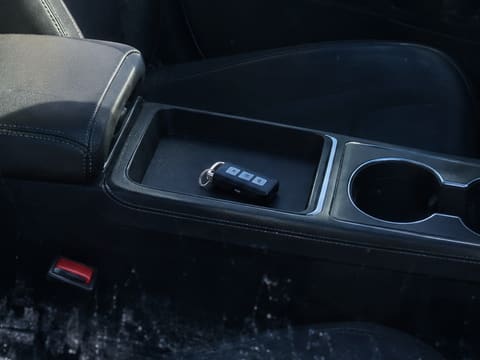
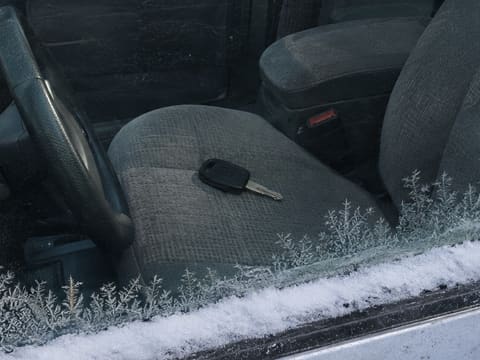
A common scenario is that the keys are sitting on the seat or in the cup holder, and the driver can see them through the window. In frustration, they try to press the unlock button through the glass, or they try to fish for it with a wire hanger. But the unlock button is often recessed, and the angle needed to press it from outside is tricky. Many people end up accidentally locking the door further or triggering the alarm system. The alarm will then start blaring, which can drain the battery and attract unwanted attention. A locksmith can often unlock the car in less than a minute without setting off the alarm, using a technique that bypasses the door's electrical system entirely.
When force seems to work but causes hidden damage
Sometimes forcing a door does open it. The latch might release, and the door swings open. But the force may have stretched the cable that connects the interior handle to the latch. The next time you try to open the door from inside, the cable might be too slack to engage the latch, so the handle feels loose and does nothing. Or the plastic clip that holds the cable in its slot might have cracked. It may hold for a few more openings, then snap when you least expect it, leaving you stuck inside the car. These hidden damages are not visible from the outside, so you might not know they exist until the door fails later. A non destructive car entry approach avoids these issues by working with the lock mechanism in a controlled way, often using a long reach tool to press the unlock button directly without putting stress on the door's internal components.
What to do instead of forcing the door
If you find yourself locked out, the best first step is to check whether any other door is unlocked. Sometimes the driver door is locked but the passenger door or the trunk is not. If all doors are locked, look for a spare key. Many people carry a spare key in their wallet or purse, or they have a magnetic key box hidden somewhere on the vehicle. If you have roadside assistance coverage through your insurance or a membership program, call them. They will often send a locksmith as part of the service. If none of those options work, call a local locksmith that specializes in vehicle lockout service. They can usually arrive within 15 to 30 minutes, depending on traffic and your parking location. When you call, be ready to provide your vehicle's make, model, and year, and let them know if the keys are visible inside the car. Also, have your vehicle ownership and insurance slip handy, as some locksmiths may ask for identification to verify that you own the car.
What to expect from a locksmith visit
A reputable locksmith will arrive in a marked vehicle with all the necessary tools. They will assess the situation and then use the least invasive method to unlock the door. That might mean using an air wedge to open a small gap near the top of the door, then inserting a long reach tool to press the unlock button or pull the interior handle. In some vehicles, they may work through the window seal or use a specialized tool to manipulate the lock cylinder. The whole process usually takes only a few minutes, and the door is opened without any damage. You will then be able to retrieve your keys and drive away immediately. The cost is usually a flat fee, and it is almost always less than the cost of replacing a damaged door panel or window.
When professional help is not available
If you are in a remote area and cannot get a locksmith to come, or you have no phone service, you may need to try a few careful steps yourself before resorting to force. But even then, proceed with caution. If you have a long, thin piece of plastic or a specialized car-opening tool, you can try to slide it between the window glass and the weather seal, then work it down to the lock button. Do not use a metal coat hanger or a screwdriver, as these can scratch the paint or damage the rubber seal. Move slowly and gently. If you feel resistance, stop and try a different angle. If the door does not open after a few minutes of careful effort, it is better to wait for help than to risk damaging the car. The extra time you spend waiting is nothing compared to the time and money you will spend repairing a bent door frame or a shattered window.
Preventing future lockouts
The best way to avoid the temptation of forcing a door is to prevent lockouts in the first place. Make a habit of always carrying your keys with you when you exit the vehicle, even if you are just stepping out for a moment. Many lockouts happen when people leave the engine running with the keys in the ignition and then close the door. If the car has automatic locking that engages when the door is closed, you are locked out instantly. Another common cause is leaving keys in the trunk while loading groceries or luggage. To prevent this, always keep your keys in your pocket or hand until the trunk is closed. If your car has a keyless entry system, make sure the key fob battery is not low, as a weak signal can fail to unlock the door. For older cars, consider having a spare key made and keeping it in a magnetic box hidden somewhere on the undercarriage, but choose a spot that is not too obvious and that will not be knocked off by road debris.
What about keys locked in the trunk?
If your keys end up in the trunk, do not try to force the trunk open. Many modern trunks have a release mechanism that can be triggered from inside the cabin, often through the fold-down rear seat. If you can access the cabin, you may be able to reach the trunk release. If not, a locksmith can often open the trunk through the same techniques used for doors, or they can access it through the cabin by folding down the rear seat if your car allows it. Again, forcing the trunk lid can damage the latch or the hydraulic struts that hold it open, so it is best to leave this to a professional.
The bottom line on forcing car doors
Forcing a locked car door is a gamble that rarely pays off. The immediate relief of getting in is often followed by the frustration of a damaged door, a broken window, or a malfunctioning lock. The smarter approach is to remain calm, assess your options, and call a vehicle lockout service if needed. The few minutes you spend waiting for a locksmith are far less costly than the hours and dollars you will spend repairing the damage caused by force. And by choosing a service that specializes in non destructive car entry, you ensure that your car stays exactly as it was before the lockout, so you can get back on the road without any lingering problems.